Prop 13's Big Bay Area Discount Is Still Huge — But in Some Places, It's Shrinking
September 16, 2026
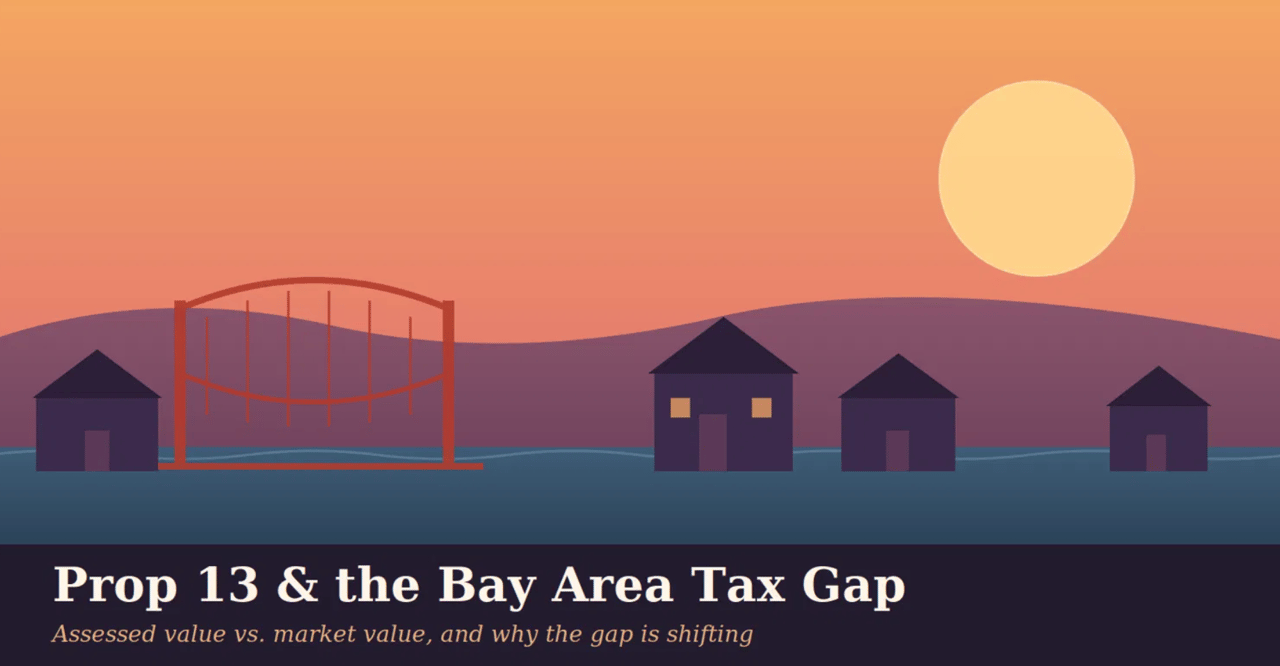
September 16, 2026
For nearly half a century, California's Proposition 13 has been the quiet force behind some of the biggest tax breaks in the country. By capping how much a home's assessed value can rise each year, it lets long-term owners pay property taxes on a fraction of what their homes are actually worth. But new data suggests that gap — the very thing that makes Prop 13 so valuable — is starting to narrow in parts of the Bay Area.
Under Prop 13, homes are reassessed at market value only when they're sold or newly built. After that, the assessed value — the number your tax bill is based on — can climb by no more than 2% a year, no matter how fast the local housing market takes off. Over time, that creates a growing distance between what a home is actually worth and what the county says it's worth for tax purposes.
That distance is the whole ballgame. The bigger the gap, the bigger the tax savings.
In San Francisco, that gap is still enormous — just a little less enormous than it used to be. A Chronicle analysis of Redfin data found that Prop 13 saved the average San Francisco homeowner roughly $9,000 in property taxes in 2025. The average home in the city was valued near $1.6 million that year, but its average assessed value — the figure actually taxed — was just over $1 million, meaning the typical home was worth about 52% more on the open market than it was to the assessor's office.
Here's the twist: that gap is actually smaller than it was in 2017, the earliest year with reliable Redfin data, when market values were running more than double the average assessment. San Francisco isn't alone — in six of the nine Bay Area counties, the space between market and assessed values shrank between 2017 and 2025.
Data for the 2026 tax roll wasn't yet available, but given the sharp run-up in San Francisco home values this year, that gap has likely widened again.
Across most of California, assessed values have been growing faster than market values since 2017 — meaning more of a typical home's worth is being taxed than it once was. In Santa Clara County, for instance, the average assessed home value sits around $640,000, just 46% of the average estimated $1.4 million market value.
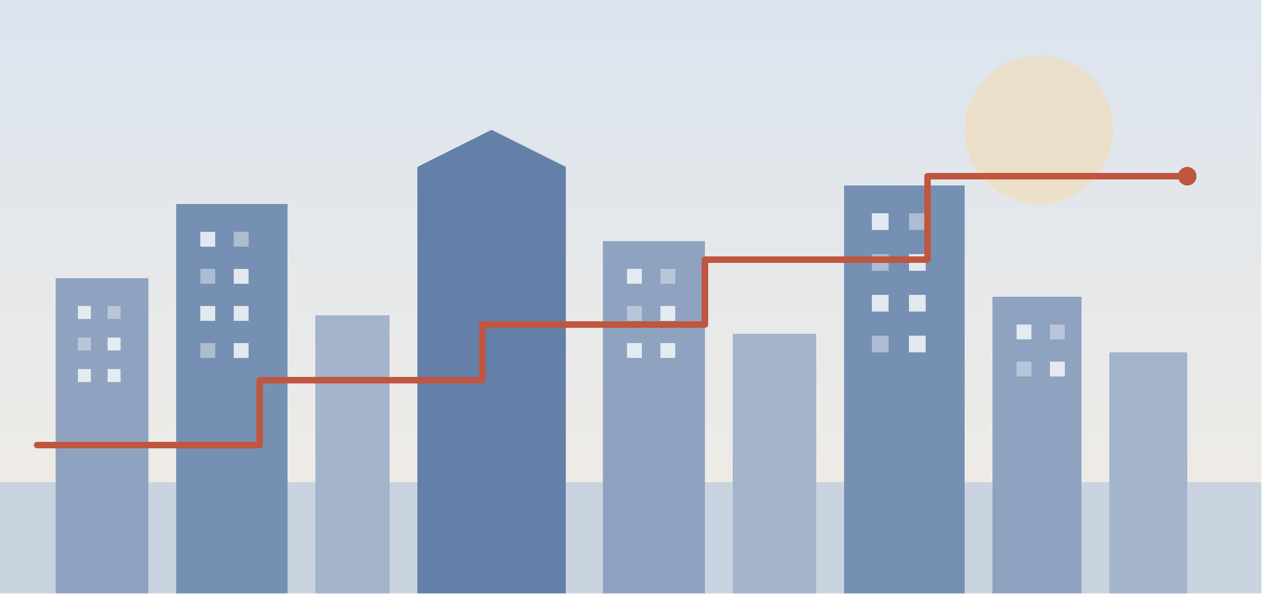
The explanation isn't a change in the law — it's the market cycle. The relationship between assessed and market values behaves like an accordion, stretching wide during hot markets and squeezing narrower when price growth slows or stalls, since the 2% assessment cap keeps climbing steadily even as market values plateau.
The trend isn't universal. Cupertino bucked it entirely — the gap between market and assessed values there actually grew, from $1.2 million in 2017 to $1.5 million in 2025. That translated into serious savings: Prop 13 shaved more than $29,000 off the average Cupertino homeowner's tax bill in 2025, among the largest subsidies in the region.
None of this means Prop 13's benefits are disappearing. Even with a narrower gap, San Francisco homeowners are still saving thousands of dollars a year, and the law's fundamental mechanics haven't changed. What's shifting is the pace: after years of runaway home-value growth outstripping the 2% assessment cap, some parts of the Bay Area are seeing that dynamic even out — a reminder that Prop 13's biggest windfalls have always tracked the rhythms of the housing market itself.
Based on reporting by Christian Leonard, San Francisco Chronicle (Sept. 13, 2026), analyzing property data from Redfin.
Recent
Browse our blog posts to be in the know.






































Provided Courtesy of Ascend Real Estate

Provided Courtesy of Ascend Real Estate

Provided courtesy of Ascend Real Estate



Welcome to our September newsletter, where we’ll discuss residential real estate trends in the East Bay and across the nation. This month, we’ll examine the state of t… Read more




The Big Story What to expect when you’re expecting inflation Quick Take: The number of homes sold in 2021 is set to be one of the highest on record. Inflation reached … Read more


Welcome to our September newsletter, where we’ll discuss residential real estate trends in Silicon Valley and across the nation. This month, we’ll examine the state of… Read more
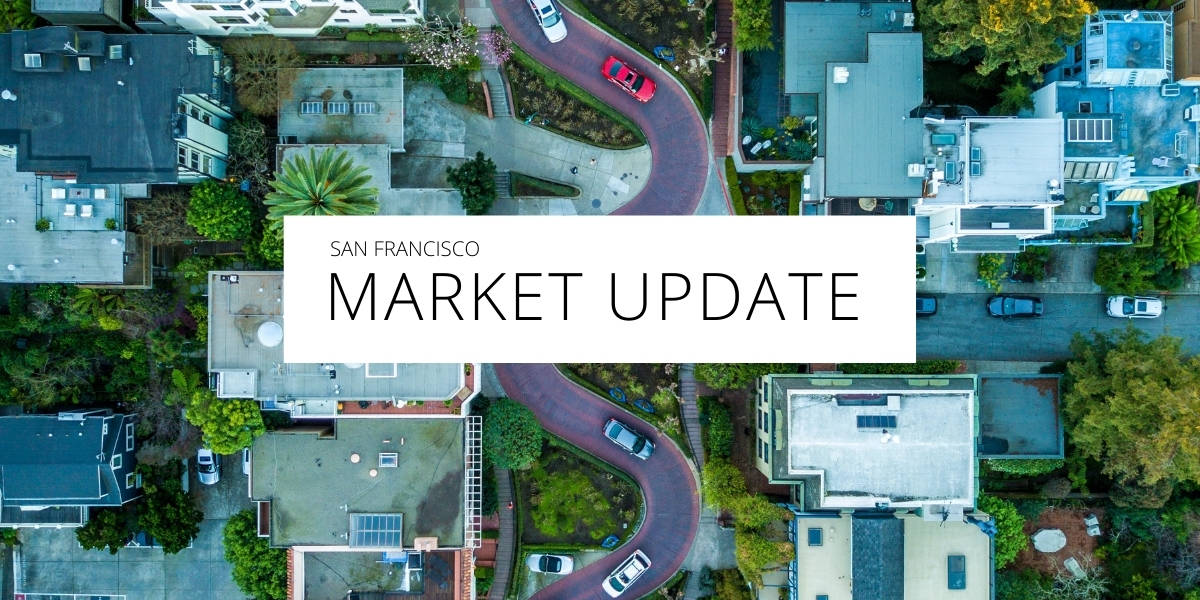





Welcome to our September newsletter, where we’ll discuss residential real estate trends in San Francisco and across the nation. This month, we’ll examine the state of … Read more

As we end another crazy year, we are very grateful our kids are finally fully vaccinated, and a return to some sense of normalcy is in view. We are especially looking … Read more














Summer is here, and so are the boozy slushies, all-you-can-eat tacos and double cheeseburgers





The Big Story Where can home prices go from here? Quick Take: Home prices appreciated faster in 2021 than at any other time, even surpassing the 2004–2006 housing bubb… Read more





No doubt 2021 Bay Area housing markets was one of the wildest in recent memory! Our local real estate experts will share their year-end analysis of San Francisco, East… Read more



You’ve got questions and we can’t wait to answer them.